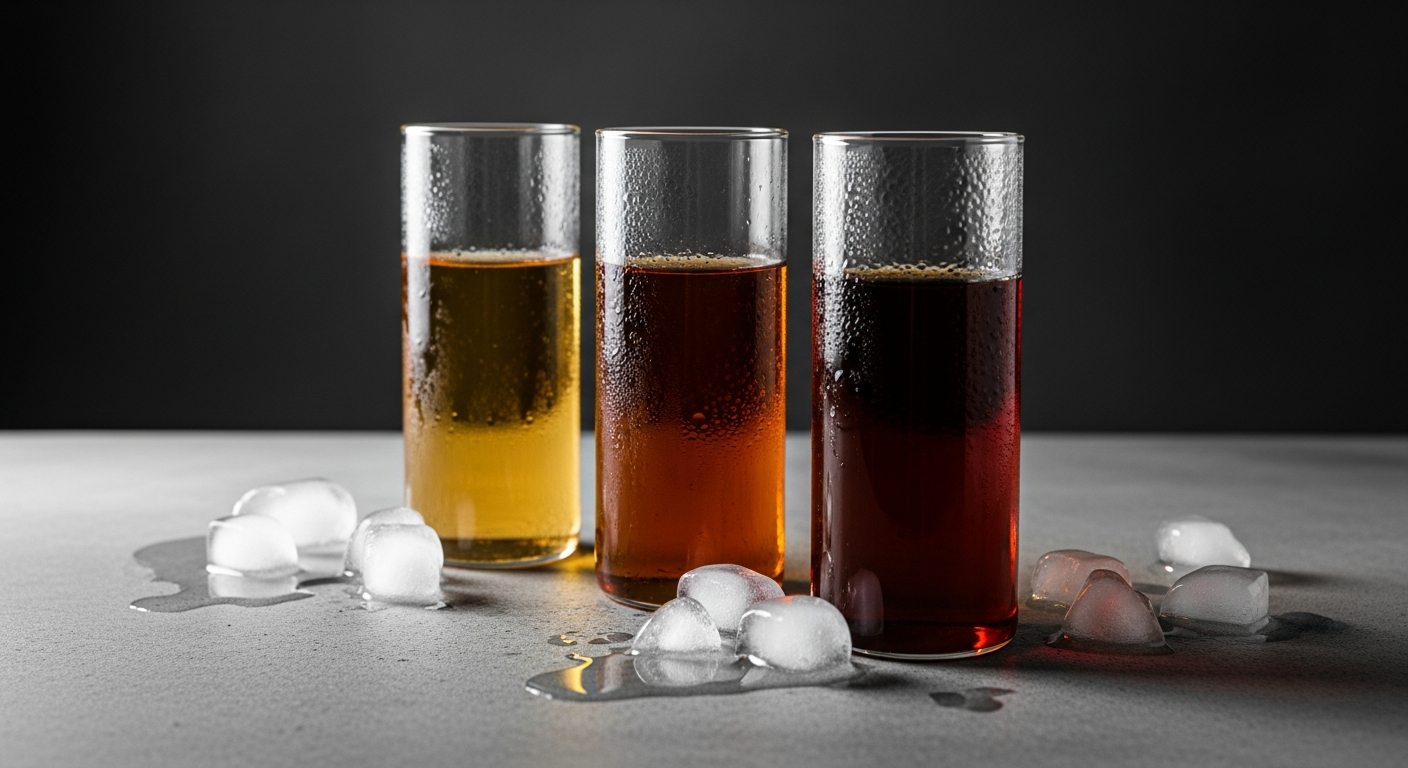
Immersion versus slow-drip, coarse versus medium grind, twelve hours versus twenty-four. This experimental afternoon session brews three single-origin beans through two cold methods and compares the results blind.
The Experiment
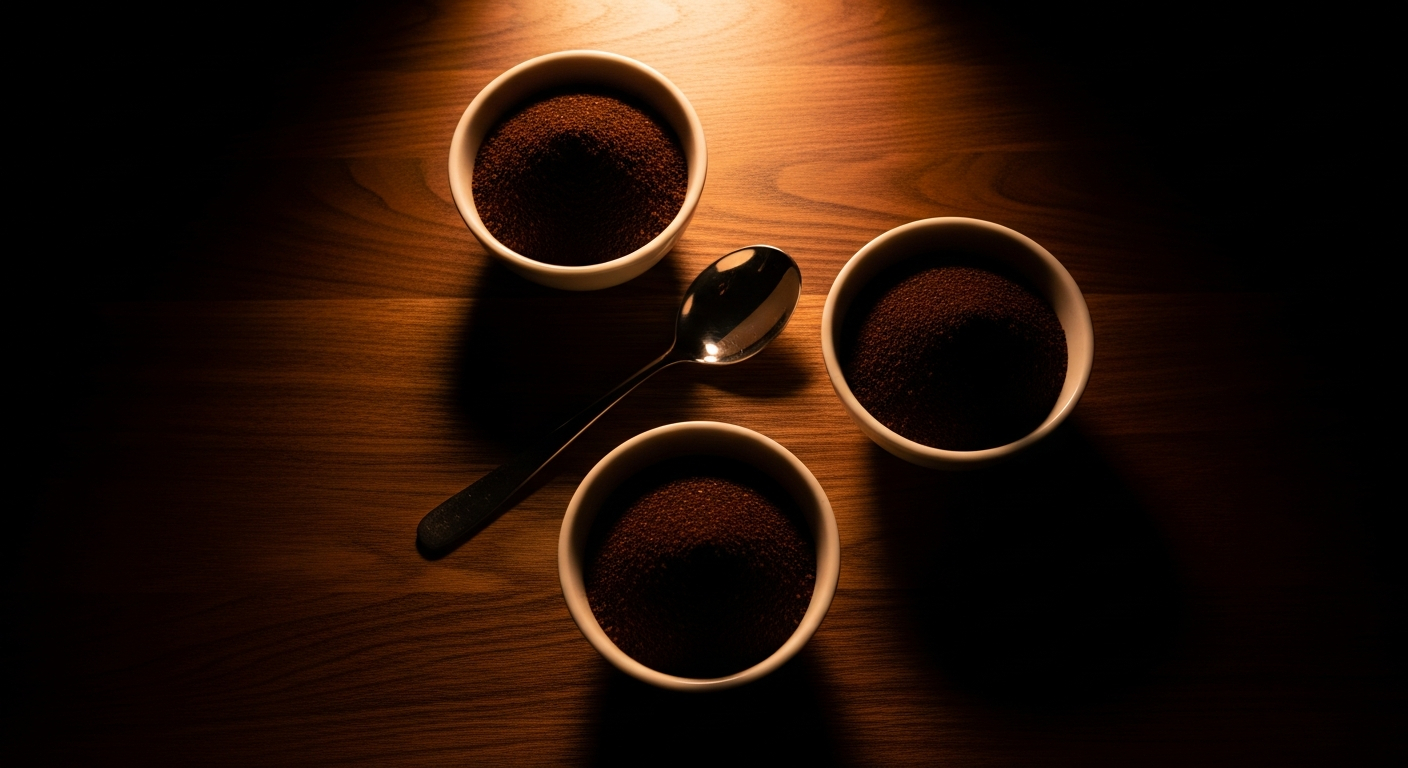
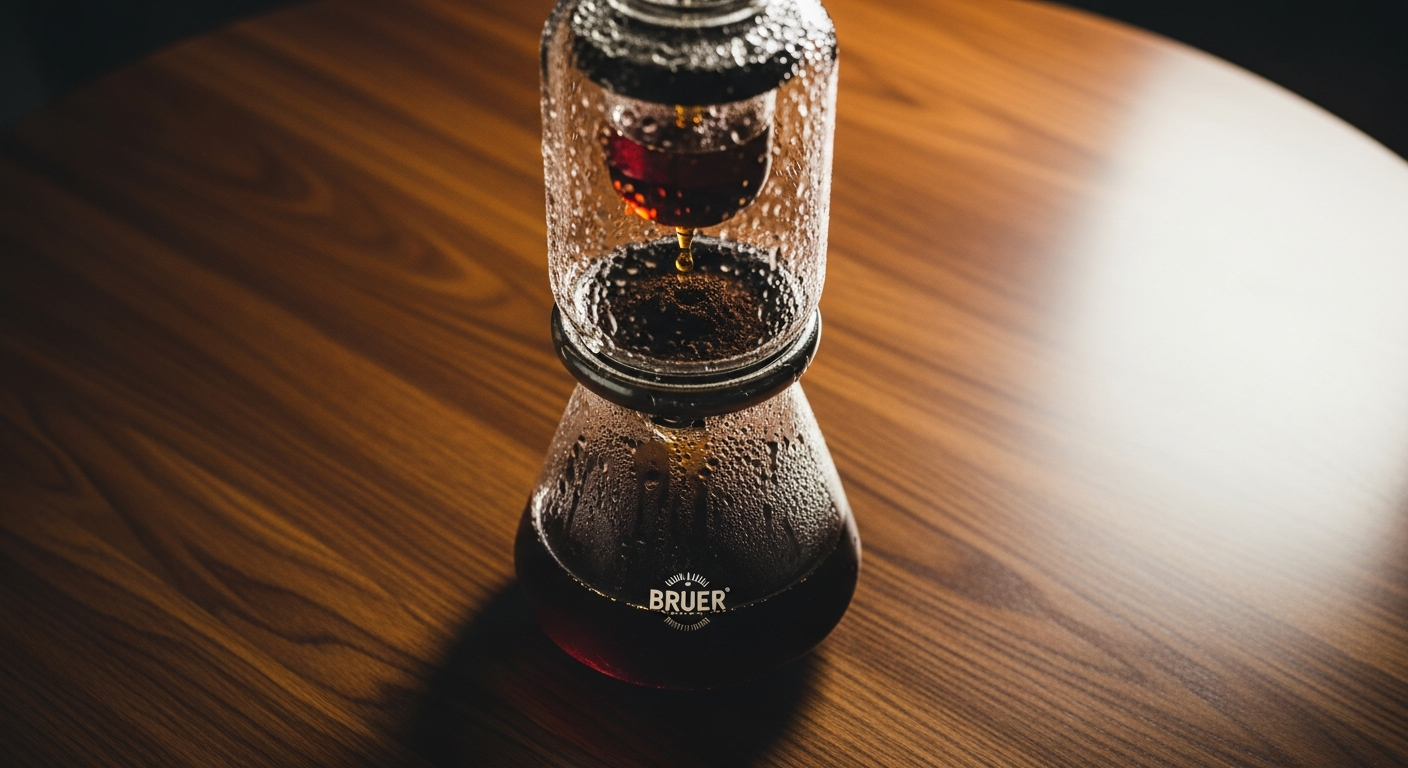
We select three beans from the current BeansParade catalog — one African, one Central American, one Southeast Asian — and prepare each at two grind settings across both immersion (full-contact steep in a Filtron) and slow-drip (Bruer tower). That yields twelve distinct samples. We taste them in randomized flights to surface preferences without origin bias.
The goal is not to crown a winner but to build a vocabulary for cold extraction. You’ll learn why immersion tends to emphasize body and chocolate while slow-drip pulls more aromatics and fruit-forward brightness — and how grind size shifts that spectrum in both directions.
What You Leave With
- A 500ml bottle of your favorite cold brew from the session
- Printed recipe cards for immersion and slow-drip methods
- A grind-calibration guide for home cold-brew setups
- Tasting notes and blind-flight scoring sheets
Cold brew is not lazy coffee. It is coffee with the variable of time substituted for the variable of heat — and time, it turns out, is the more patient sculptor.
The session runs two and a half hours. All brewing was staged overnight by the BeansParade team so samples are ready for tasting at the start — the afternoon is about sensory evaluation, not waiting. Fourteen seats available. Dress cool; the roastery runs warm in June.